
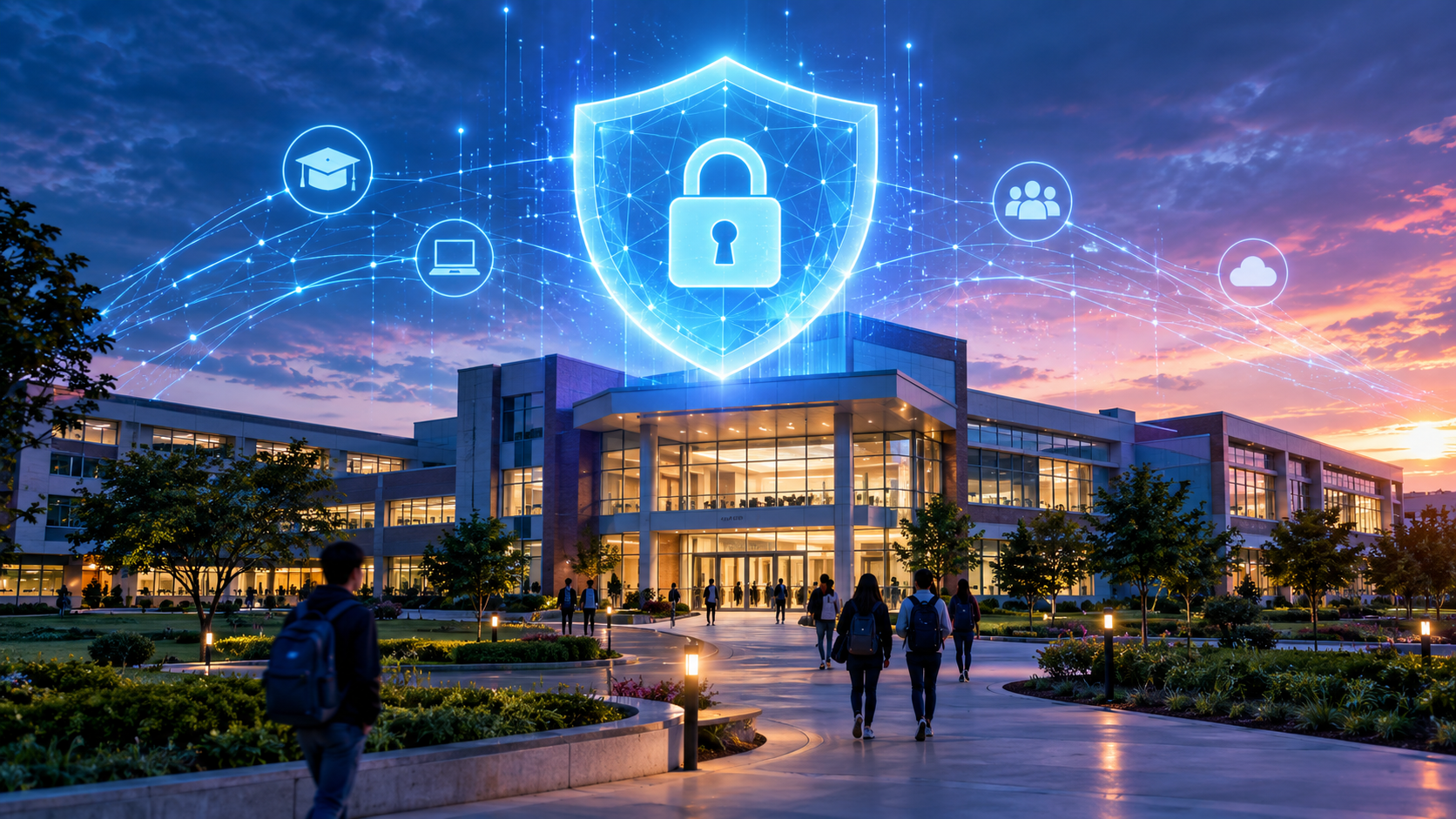
The Growing Importance of Cybersecurity in Education
In today’s digital age, schools and campuses increasingly rely on technology to facilitate learning, communication, and administration. This reliance brings significant cybersecurity risks. Educational institutions are prime targets for cyberattacks due to the vast amounts of sensitive data they hold, including student records, financial information, and research data. According to the K-12 Cybersecurity Resource Center, over 1,500 publicly disclosed cyber incidents affected K-12 schools in 2022 alone, highlighting the urgent need for robust cybersecurity measures.
To protect their networks and sensitive information, schools must invest in comprehensive cybersecurity strategies. This includes not only deploying technical defenses but also fostering a culture of security awareness among staff and students. For institutions looking to enhance their cybersecurity posture, it’s essential to get started with Keytel Systems to ensure their infrastructure is resilient against evolving threats. This may involve conducting thorough risk assessments, embracing modern security technologies, and implementing policies addressing both human and technical factors.
The rapid rise of remote learning and cloud-based platforms has accelerated digital transformation in education. While these technologies enhance accessibility and flexibility, they also introduce new vulnerabilities. Unsecured Wi-Fi networks, outdated software, and inconsistent user practices can create entry points for attackers. Schools must adopt a holistic approach combining technology, policy, and education to safeguard their digital environments effectively.
Key Cybersecurity Challenges Faced by Educational Institutions
Educational institutions face unique cybersecurity challenges. The open nature of campuses, combined with a diverse user base-from young students to faculty and administrative staff-creates multiple entry points for threats. Some common challenges include:
– Phishing and Social Engineering: Attackers exploit human vulnerabilities through deceptive emails or messages to gain unauthorized access. These tactics prey on trust and lack of awareness, which are prevalent in educational settings where many users may be inexperienced in cybersecurity.
– Ransomware Attacks: Such attacks can cripple school operations by locking critical data and demanding payment for its release. The consequences extend beyond financial loss, disrupting classes, examinations, and administrative functions.
– Insufficient IT Resources: Many schools operate with limited IT staff and budgets, making it difficult to maintain up-to-date security systems. This resource gap often leaves networks exposed and delays incident response.
The rapid shift to online learning during the COVID-19 pandemic expanded the attack surface, with many institutions adopting new platforms and tools without fully assessing their security implications. This environment underscores the critical need for professional IT support services in Charlotte to manage and safeguard IT infrastructure effectively. Without expert oversight, schools risk misconfigurations and overlooked vulnerabilities that cybercriminals can exploit.
Adding to these challenges is the increasing sophistication of cyber threats. Attackers now use advanced techniques such as AI-driven phishing, zero-day exploits, and supply chain attacks targeting software providers used by schools. This evolving threat landscape demands equally advanced defenses and continuous vigilance.
Essential IT Support Services for Schools and Campuses
Reliable IT support is the backbone of any effective cybersecurity framework in educational settings. It ensures networks are properly configured, software is regularly updated, and vulnerabilities are promptly addressed. Key aspects of IT support services schools should prioritize include:
– Network Monitoring and Management: Continuous monitoring detects unusual activities early, preventing potential breaches. Proactive management allows IT teams to identify suspicious patterns, such as unauthorized access attempts or data exfiltration, before they escalate.
– Data Backup and Recovery: Regular backups ensure data can be restored quickly after ransomware attacks or accidental loss. Automated, offsite backups protect against physical disasters or targeted attacks on local systems.
– User Training and Awareness: IT teams should provide ongoing training to educate users about best practices and emerging threats. Empowering students, teachers, and staff to recognize and report suspicious activities significantly reduces successful attacks.
– Compliance and Policy Enforcement: Meeting regulatory requirements such as FERPA or GDPR protects both the school and its stakeholders. Compliance fosters trust among parents and the wider community by demonstrating a commitment to data privacy.

A Gartner survey found that 70% of educational institutions increased IT spending on security in 2023, reflecting growing recognition of these needs. This trend indicates a positive shift toward prioritizing cybersecurity, although many schools still struggle to allocate sufficient resources. Partnering with experienced IT service providers can help schools optimize budgets while maintaining robust security protocols. External experts bring specialized knowledge and tools beyond the reach of in-house teams, especially in smaller or underfunded institutions.
Managed IT services can provide 24/7 support, rapid incident response, and scalable solutions tailored to educational environments. This partnership allows schools to focus on their core mission-educating students-while ensuring their digital infrastructure remains secure and resilient.
Best Practices for Cybersecurity in Educational Environments
Implementing best practices tailored to schools and campuses is vital. Recommended measures include:
– Multi-Factor Authentication (MFA): Adding an extra security layer beyond passwords significantly reduces unauthorized access. MFA can involve text codes, biometric verification, or authentication apps, making it harder for attackers to compromise accounts.
– Regular Software Updates and Patch Management: Keeping systems current closes vulnerabilities hackers might exploit. Automated patching and update schedules help maintain consistent protection across devices and applications.
– Segmentation of Networks: Separating critical systems from general user networks limits malware spread. For example, administrative databases should be isolated from student-accessible Wi-Fi.
– Incident Response Planning: Having a clear, practiced plan ensures quick response and recovery from security incidents. This includes defined roles, communication protocols, and recovery procedures.
Research from the Ponemon Institute shows organizations with formal incident response plans reduce the cost of data breaches by an average of 35%. Schools investing in these practices protect their assets and build trust among students, parents, and staff. Regular drills and plan updates ensure preparedness for real incidents.
Another critical best practice is establishing a cybersecurity awareness program tailored to the school community. Engaging students through interactive workshops, gamified learning modules, and clear communication helps embed security-conscious behavior. Faculty and staff should receive role-specific training to handle sensitive information and recognize emerging threats.
The Role of Leadership and Continuous Improvement
Cybersecurity is not solely the responsibility of IT departments; it requires active involvement from school leadership. Administrators must prioritize cybersecurity in budgeting, policy-making, and strategic planning. Encouraging collaboration between IT staff, educators, and external experts creates a comprehensive defense against cyber threats.
Leadership commitment fosters a culture where security is everyone’s responsibility. This involves establishing clear policies, setting expectations, and incentivizing adherence to security protocols. Transparent communication about cybersecurity risks and incidents builds trust within the school community.
Cybersecurity is dynamic. Threats evolve, so defenses must too. Schools should conduct regular risk assessments, update policies to reflect emerging risks, and promote continuous improvement. A proactive approach ensures resilience amid new challenges. For example, adopting threat intelligence sharing with other institutions provides early warnings about emerging attack vectors.
Investing in ongoing professional development for IT staff is equally important. As cyber threats grow more complex, personnel must stay current with the latest tools, tactics, and regulations. Encouraging cybersecurity program certifications and participation in cybersecurity forums enhances overall defense capabilities.
Leveraging Technology and Innovation
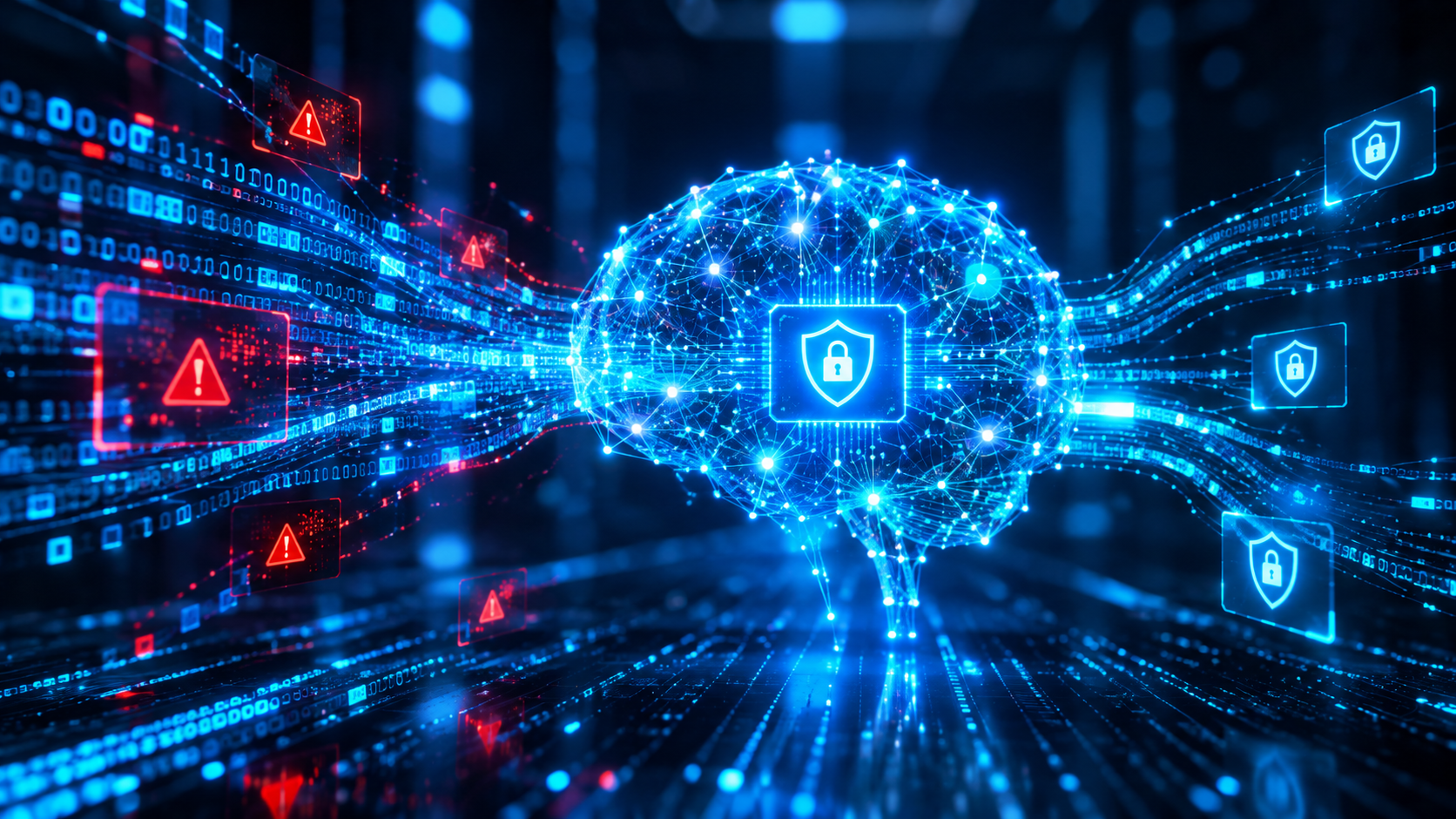
Beyond foundational practices, schools should leverage emerging technologies to strengthen cybersecurity. Artificial intelligence (AI) and machine learning (ML) enhance threat detection by analyzing vast network data to identify anomalies in real time. Endpoint detection and response (EDR) solutions provide granular device monitoring, enabling rapid threat containment.
Cloud security is critical as many schools adopt Software as a Service (SaaS) platforms and cloud storage. Proper configuration, access controls, and encryption prevent data breaches. Cloud access security brokers (CASBs) help monitor and enforce security policies across multiple cloud services.
Adopting zero-trust security models, which assume no implicit trust for any user or device inside or outside the network, reduces risks significantly. This approach requires continuous verification and strict access controls, fitting the diverse, open nature of educational environments.
Conclusion
As schools and campuses integrate technology into education, cybersecurity and IT support become critical pillars safeguarding their operations and data. Protecting sensitive student information and ensuring uninterrupted learning experiences require effective cybersecurity strategies combined with reliable IT support.
Educational institutions that take proactive steps-leveraging expert services, implementing best practices, and fostering security awareness-can substantially reduce vulnerability to cyber threats. By doing so, they protect their communities and uphold the integrity and trust education depends upon.
In an era where cyber threats escalate in frequency and sophistication, investing in cybersecurity is no longer optional for educational institutions-it is fundamental. Prioritizing this investment today ensures schools remain safe, resilient, and prepared to face tomorrow’s challenges.