Studying in Switzerland puts you in one of the best “launch pads” in Europe: you’re within a few hours of multiple countries, and you can mix low-cost buses, advance-purchase rail deals, and student discounts to build trips that don’t wreck your monthly budget.
The trick is to choose destinations that work well as 24–72 hour breaks, travel at off-peak times, and keep your spending predictable (transport + bed + one “anchor” activity, then free/low-cost wandering). For transport inside Switzerland, getting comfortable with rail saver products can make even last-minute weekends possible without paying full fare.
Brussels On A Student Budget: A Smart First Hop
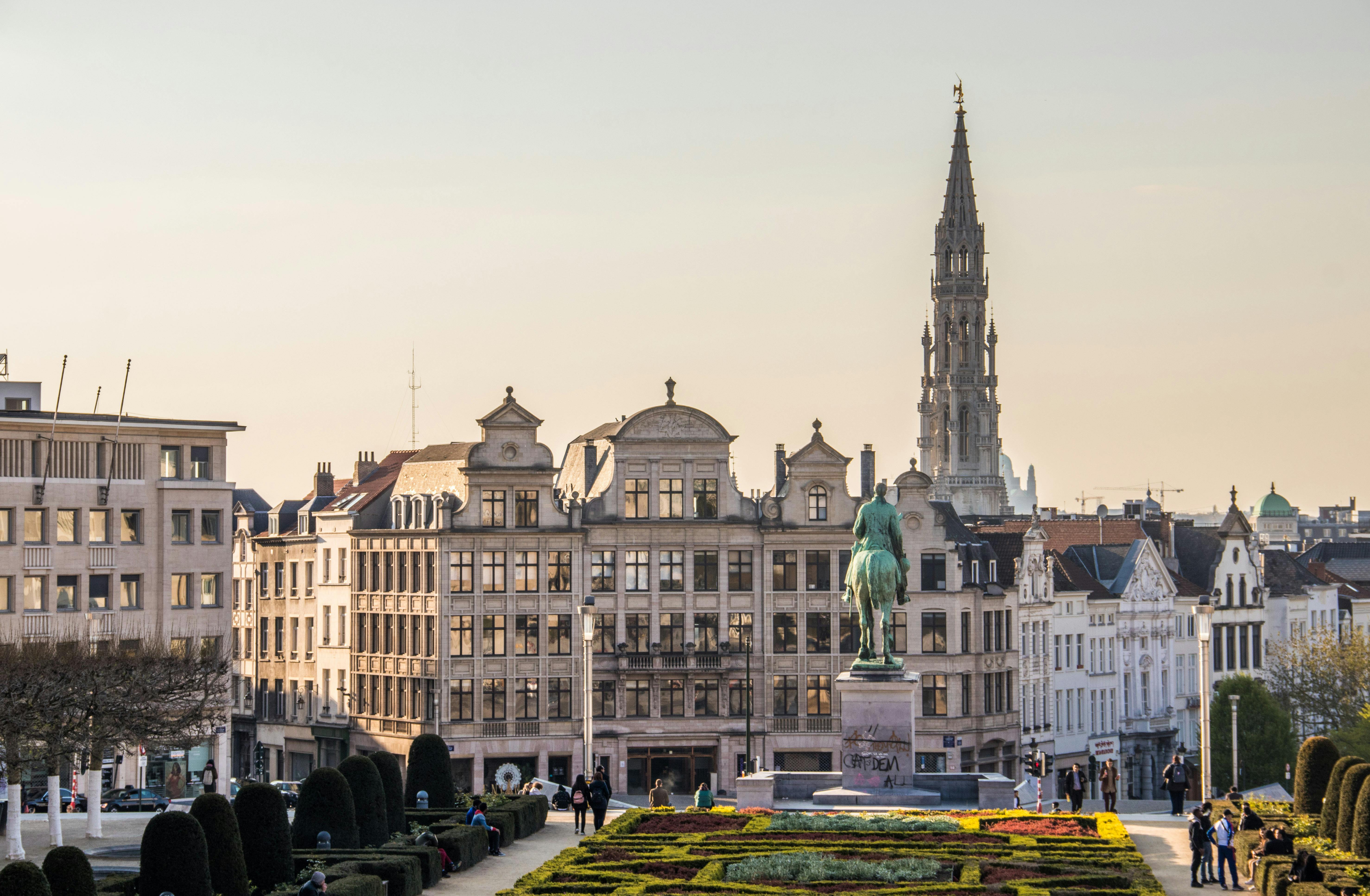
If you want a first international trip that feels like a “real” getaway without complicated logistics, Brussels is a strong pick: it’s compact, walkable, and easy to do on a short timeline. One surprisingly good low-cost “anchor” activity is Brussels river travel—think a short sightseeing boat trip along the city’s canal waterways to see neighborhoods and industrial heritage from a calmer angle than the streets. That kind of water-based add-on pairs well with the classic student itinerary: free walking routes, a couple of museums with student pricing, and cheap eats from bakeries and snack counters.
To keep the trip genuinely budget-friendly, commit to a simple cost frame before you go:
- Transport: book early where possible (or choose a bus for the cheapest baseline on some routes).
- Sleep: dorm beds are often your biggest controllable cost in big cities—compare dates, then lock it in. Recent hostel listings commonly show dorm pricing in the “tens” per night rather than luxury-hotel territory, though it fluctuates heavily by season and weekends.
- Food: pick one “local treat” meal, then self-cater breakfast and one other meal (supermarkets + bakery runs).
- Attractions: pay for one thing, use free city exploration for the rest.
If you’re trying to write about this naturally for a Switzerland-based student audience, frame Brussels as a starter city break: it rewards curiosity, doesn’t require a car, and teaches the core skills you’ll reuse everywhere—timed tickets, dorm etiquette, and building a day around a few fixed bookings.
When Interrail Makes Sense From Switzerland
For multi-country loops (or if you want flexibility to hop cities), Interrail can be a cost-control tool—especially for younger travelers. The Global Pass is designed for travel across many European countries, and youth discounts apply for travelers 27 and under.
If you want hard numbers to reference: published price tables for 2026 show examples like a Youth Global Pass (4 days within 1 month) priced at €212 (2nd class) in one widely circulated 2026 price PDF. (Always re-check at purchase time, because promos and exchange rates can shift your final cost.)
A simple rule of thumb: Interrail shines when you’ll take several longer train rides across borders and you value the freedom to adjust plans. If your trip is one city and back, buses or advance-purchase rail tickets can be cheaper.
Alsace Weekends: Strasbourg + Small-Town Charm
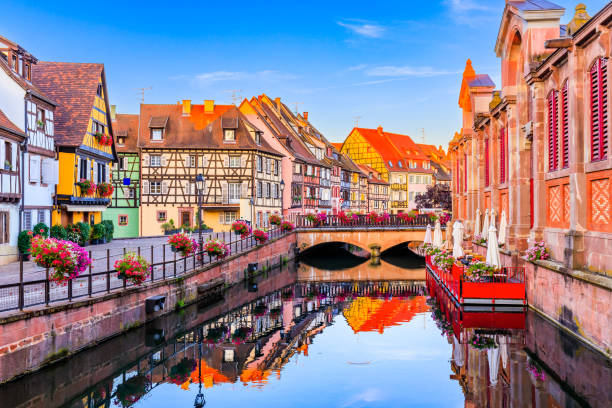
From Switzerland, Alsace is a classic “short hop” region: you can base yourself in Strasbourg for the postcard center, then add a half-day trip to smaller towns for canals, timber-framed streets, and quiet cafés. The budget win is that you don’t need paid attractions to enjoy it—your main costs are transport and a bed.
Lake Days In Italy: Milan As A Gateway, Then Como
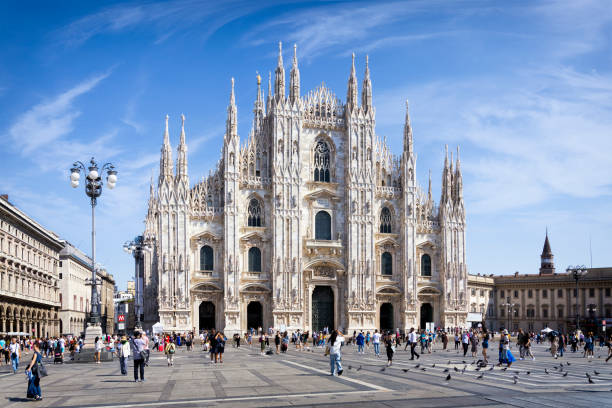
If you’re watching costs closely, buses can undercut trains on certain routes. For example, FlixBus advertises Zurich to Milan tickets “from” the low-€20s on some dates, which is the kind of pricing that makes spontaneous Italian weekends more realistic for students.
Once you’re in Milan, you can keep the rest cheap by treating the city as a transit-and-food stop, then spending your daylight hours on a lake walk, a picnic, and one paid coffee with a view.
France Outdoors Without The Price Tag: Annecy And Nearby Hikes

For students who want “nature that looks expensive but isn’t,” Annecy is a strong concept: lakeside walking, cycling paths, and mountain day hikes let you build a full weekend around free scenery. The budget trick is self-catering and booking accommodation early on popular dates.
Central Europe On A Student Timeline: 3–5 Day “Big Value” Trips
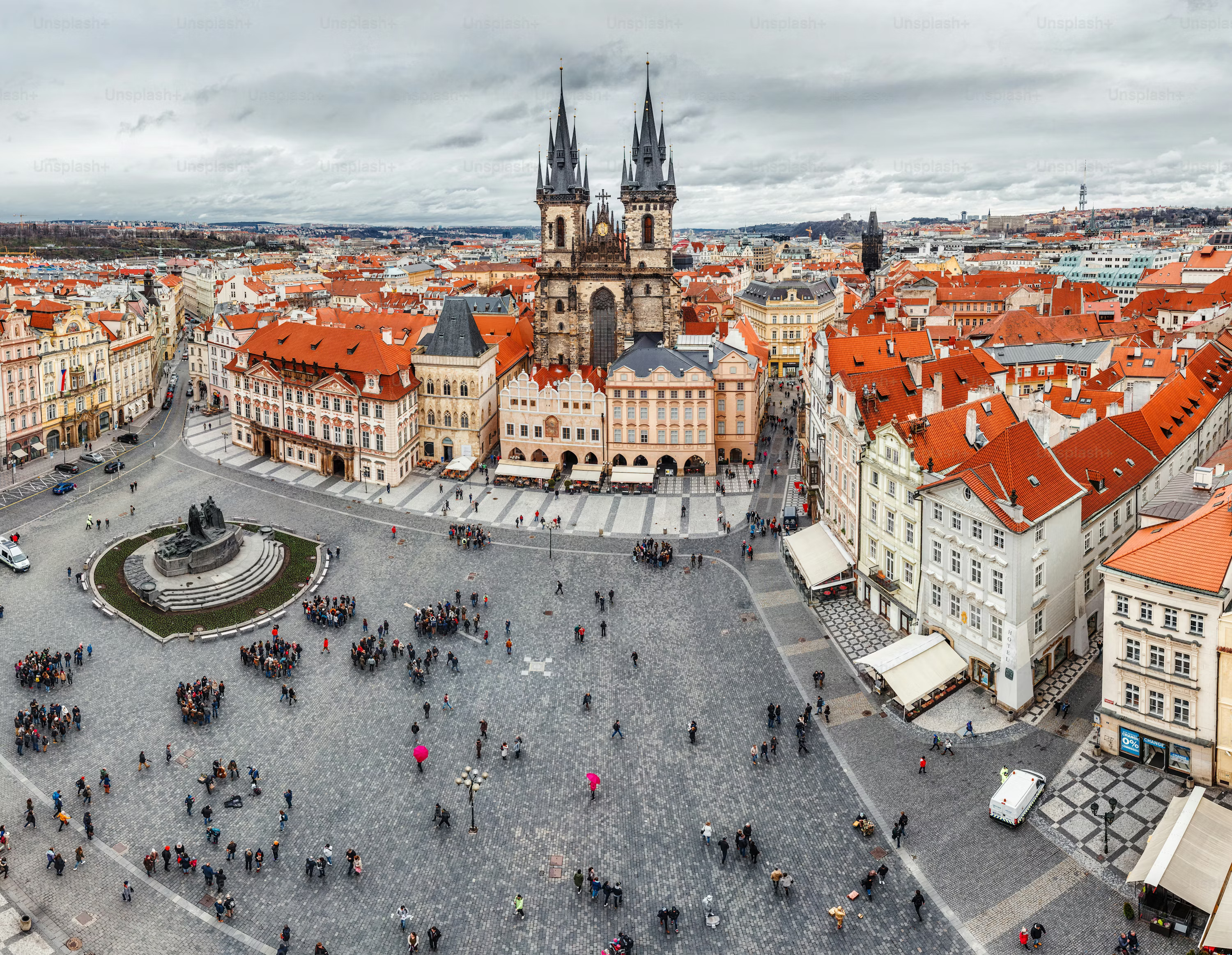
If you can carve out a long weekend or align with a break in your semester, Central Europe often gives more “city value per euro” than Western capitals—especially for food, public transport, and everyday spending.
- Prague: ideal for walking-heavy itineraries—architecture, viewpoints, neighborhoods, and riverbanks do a lot of the work.
- Vienna: great for students who want a culture-forward trip (concert halls, museums, and coffeehouse pacing).
- Budapest: strong mix of thermal-bath culture, viewpoints, and nightlife—easy to tailor to your budget.
- Ljubljana: compact, friendly, and a good base for day trips into nature.
To keep these trips affordable, plan like a project: book the bed first (the “scarce resource”), then lock transport, then decide what you’ll actually pay for. Everything else (parks, viewpoints, neighborhoods, markets) is free content.
Student Discounts That Travel With You
The ISIC program is built around student discounts, with a broad discount directory that’s meant to be used internationally (transport, attractions, and more depending on country and partner).
In practice, the most useful way to use student discount schemes is not “discount hunting everywhere,” but targeting the expensive categories: big museums, major attractions, and any intercity transport where a valid student ID changes the price tier.
Master The Swiss Discount Tools Before You Leave The Country
The biggest travel advantage you can develop while studying in Switzerland is learning how to buy the right Swiss ticket for the right day. Two essentials:
- 1) Saver Day Pass (Spartageskarte): when bought in advance, it can start from CHF 29 with a Half Fare Travelcard (and from CHF 52 without), letting you ride broadly across Swiss public transport for the day. If you plan even one “big day” of moving around (or a Switzerland-only weekend), it can be cheaper than stacking point-to-point tickets.
- 2) Supersaver tickets: these are limited-availability discounted tickets tied to a specific route/connection, with discounts that can be up to 50%. The earlier you look, the better your odds, and they’re designed for students who can commit to a departure time.
A practical student habit: keep a simple “travel scoreboard” note on your phone. For any proposed trip, jot (a) the cheapest transport option you found, (b) the backup option, and (c) the total door-to-door time. After a month, you’ll notice patterns (which days are cheapest, when trains sell out, when buses beat rail).
Wrapping Up
Studying in Switzerland makes Europe feel close, but your budget stays safe when you plan transport early, book a simple bed, and choose one paid highlight per trip. Use Swiss saver deals, student discounts, and smart destinations like Brussels, Alsace, or Milan to travel often—and return refreshed, confidently.