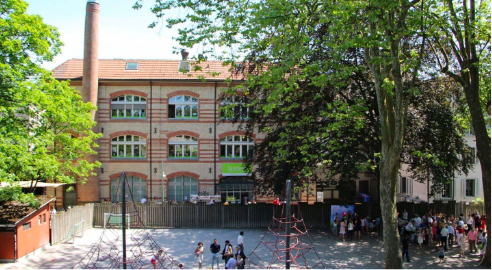

Switzerland continues to reaffirm its reputation as an academic haven admired around the world. The country’s respected academic institutions continue to maintain world-class teaching standards while adapting to the demands placed on modern students in increasingly technical environments.
University life no longer revolves only around lectures, printed materials, and fixed timetables, as much of the daily routine now depends on online portals, digital submissions, and remote access to course resources.
Expectations have shifted gradually, and students are now required to manage more of their learning through connected systems that mirror the wider university infrastructure and the professional environments they will later enter.
In this article, we’ll explore how student routines and academic norms are changing in a digital world and how Switzerland’s educational centres are accommodating this shift.
What Role Do Digital Platforms Play in Swiss Universities?
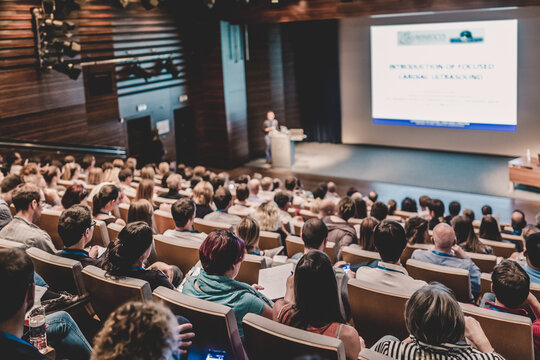
University routines in Switzerland now rely heavily on online systems that organise everything from lecture schedules to assignment submissions. Most institutions operate through central student portals, where coursework, grades, and communication are handled in one place, making it part of everyday study.
As universities continue their process of digital adoption, course materials are increasingly designed for flexible access, reflecting the growing importance of mobile-first content distribution strategies, since many students now read instructions, submit work, and check updates directly from their phones rather than desktop computers.
Research shows that autonomous learning is a central part of degree programmes in Switzerland, where students are expected to study with a high level of independence and strong self-directed learning skills.
Written coursework is often submitted through software that checks structure, referencing, and language accuracy. As such, progress depends on maintaining strong academic writing habits, especially for international students who may still be refining their grammar for success as they adjust to English-taught programmes.
In practice, these systems reflect the same structured, technology-supported environments graduates later encounter in professional settings.
Why Independent Study Is Built Into Swiss University Teaching
Teaching at Swiss universities leans heavily toward a student-centred structure, which means far less step-by-step instruction than many international students expect.
Lectures introduce the framework, but the real work happens outside the classroom, where you are expected to read ahead, review academic sources, and arrive prepared to question the material rather than repeat it. Research-based learning is used early, so assignments often involve analysing journals, building arguments, and presenting findings instead of completing guided exercises.
Digital platforms sit at the centre of this system. Course portals, recorded lectures, and online libraries provide the material, yet organising how you use them becomes part of the assessment itself. Project work follows the same logic, with deadlines set in advance and progress largely managed by the student rather than the lecturer.
Digital Barometer reports that high-quality learning apps provide individual support, reduce teachers’ workload, and should be seen as complementary to teaching rather than as a replacement.
Why Swiss Degrees Are Built Around Research and Technology
Switzerland’s reputation for innovation is visible inside its universities, where teaching often takes place in the same environment as active research and industry projects.
Instead of working only from textbooks, you may find yourself using the same software, lab equipment, or data tools that companies use in engineering, finance, or biotech. Many degree programmes are linked to research institutes or private firms so that coursework can involve real datasets, technical systems, or collaborative projects rather than purely theoretical assignments.
Modern facilities are part of this structure, but the expectation is that students learn to use them independently. Work in laboratories, coding environments, or research groups often requires preparation outside scheduled classes, reflecting the assumption that university study is already part of professional training for digital and scientific careers.
Examples of digital-first systems commonly used in Swiss universities today include:
- AI research and learning platforms, including AI-powered language learning for students, are used for data analysis, automated feedback, and adaptive coursework in language, engineering, and social science programmes.
- Swiss National Supercomputing Centre (CSCS) infrastructure used by universities for high-performance simulations in physics, climate science, and biotech research.
- MATLAB, Python, and R are widely used research environments for statistics, financial modelling, and scientific computing in university labs.
- CAD and simulation systems such as AutoCAD, SolidWorks, and LabVIEW are used in engineering, robotics, and architecture courses.
- SWITCHedu-ID, Moodle, and university research portals are used to manage lectures, datasets, submissions, and collaboration across academic and industry projects.
Why Digital Skills Matter After Graduation
University studies in Switzerland are often structured with the assumption that graduation leads directly into a highly digital working environment.
Most sectors students move into, e.g., finance, engineering, science, consulting, or international business, rely on data systems, online collaboration tools, and remote communication as part of daily work rather than something specialised.
Because of this, degree programmes tend to mirror professional conditions, with project platforms, shared databases, and research software used throughout the course.
In Switzerland, skills required for AI-exposed jobs are changing 66% faster than for other occupations, meaning workers must continuously adapt to new digital tools.
Employers increasingly expect graduates to be comfortable working across digital systems, managing information independently, and adapting to new tools without formal training.
In a job market as international as Switzerland’s, technical ability alone is rarely enough without the flexibility to work across digital environments and changing workflows.
Why Switzerland’s University System is Built for the Real World
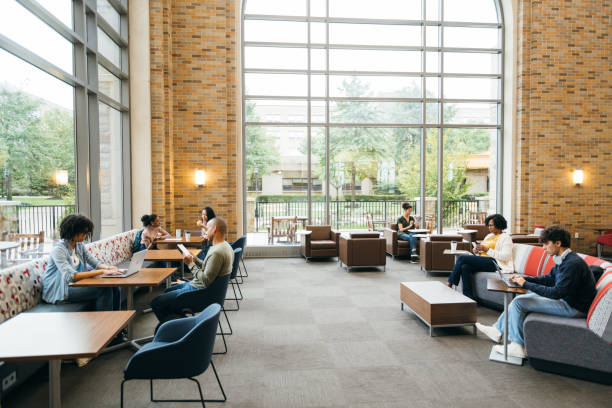
Swiss universities continue to build on long-standing academic traditions, yet the way students prepare for their future careers is becoming noticeably more technical.
Many degree programmes now expose students to project work linked to industry, startup culture, and research environments where new technologies are used as part of everyday problem-solving rather than as stand-alone training.
This is especially relevant for students interested in business or innovation, where digital adoption for entrepreneurship is often introduced during university through incubator programmes, collaborative labs, and technology-based coursework.
Studying in Switzerland, therefore, offers a balance between academic structure and practical experience, where technical familiarity and independent thinking are expected to develop together.