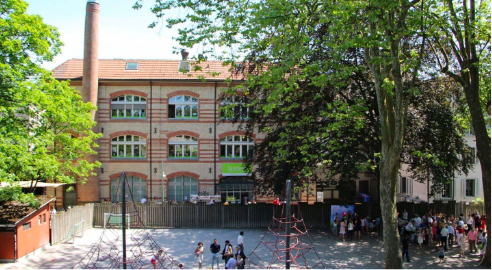

Switzerland keeps appearing at the top of every “best places to study” ranking, and frankly, that reputation is well earned. World-class institutions, a genuinely multilingual atmosphere, and multiple academic tracks set it apart from almost every other destination.
For 14 consecutive years, Switzerland has ranked as the world’s most innovative economy. That kind of sustained excellence doesn’t happen by chance, it’s a direct product of how the country structures and invests in education at every level.
Whether you’re a parent relocating with school-age children or a student weighing undergraduate options, understanding how the Swiss education system for internationals genuinely operates can spare you from expensive, time-consuming missteps.
Switzerland’s appeal is obvious. But knowing precisely where to begin your academic journey? That’s the real challenge, so let’s map it out, stage by stage.
Mapping Your Path: Swiss Schools for International Students
The school type you choose early on shapes nearly everything downstream, language immersion, academic trajectory, and university eligibility included. Two main routes deserve your full attention.
If your family moves frequently or attends school exchanges across European countries, having an esim for europe means you stay connected without dreading roaming charges, whether you’re coordinating campus visits or navigating international school events on the fly.
International Primary and Secondary Schools
Swiss schools for international students, ICS Zurich and Haut-Lac International Bilingual School, for example, deliver English and French bilingual curricula alongside International Baccalaureate (IB) and IGCSE programs.
Small class sizes and genuinely modern facilities make them a strong draw for expat families who need continuity with internationally recognized qualifications.
The Haut-Lac International Bilingual School reflects something broader: a real commitment to sustainability woven into Swiss school infrastructure, not just mentioned in textbooks. Many schools are also pursuing athlete-friendly certifications, which means students managing sports commitments aren’t forced into impossible trade-offs between training and academics.
Local Canton Public Schools
Public schools run from nursery through primary into streamed secondary education, either academic or vocational. Here’s the honest catch: the system varies considerably by canton.
Instruction runs in the dominant regional language, German, French, Italian, or Romansh.
That linguistic reality is often the first genuine hurdle international families encounter. Most cantons do offer introductory language courses, but arriving mid-year without preparation can slow a child’s progress more than most people anticipate.
Quietly, though, public schools are evolving. Algorithmic thinking programs are entering curricula as Switzerland builds computational literacy from primary level upward, a practical edge that pays dividends when students later enter competitive university programs.
Regardless of which early route you take, Switzerland’s higher-education landscape offers options that will genuinely surprise you.
Higher Education Pathways: Universities, Vocational Training, and Mobility
Switzerland’s higher education structure is more layered than most international students expect. Understanding each pathway makes the decision considerably clearer.
Traditional Universities and Applied Sciences
Switzerland operates research universities, universities of applied sciences (Fachhochschulen), and teacher education colleges. Research universities like ETH Zurich and EPFL concentrate heavily on science and technology, while applied sciences institutions balance theoretical grounding with real professional practice.
One major development worth noting: ETH Zurich is introducing a threefold tuition fee increase for foreign students, effective Autumn Semester 2025. That means fees move from CHF 730 to CHF 2,190 per semester, still reasonable by global standards, but a shift you want built into your financial plan early. Swiss Government Excellence Scholarships remain available for graduate students and researchers, and they’re genuinely worth pursuing.
Vocational Education and Apprenticeships
Roughly two-thirds of Swiss secondary students enter vocational education and training (VET). This dual system divides time between classroom learning and actual workplace apprenticeships, and employers treat it with real respect, not as a fallback option.
Here’s what frustrates me about most studying in Switzerland guides: they skip vocational pathways entirely. That’s a disservice. VET graduates regularly move into senior roles in banking, engineering, and business. Don’t dismiss this route before understanding what it actually offers.
Mobility Programs and International Support
Over 10,000 people participated in the Swiss-European Mobility Programme (SEMP) in 2024, Switzerland’s operational alternative to Erasmus+. SEMP funds student exchanges between Swiss and European partner institutions, maintaining strong international academic ties even outside formal EU frameworks.
Work rights matter here too. Non-EU/EFTA students can work up to 15 hours per week after completing their first semester, with full-time rights permitted during official university holidays. In Zurich or Geneva, two of Europe’s priciest cities, that income makes a meaningful difference.
Comparative Advantage: Why Switzerland Stands Out
Studying in Switzerland for international students means entering a system where rigorous academic performance and hands-on vocational training genuinely coexist. Graduate employment rates hover around 90% within a few years of completing studies, a figure rooted in strong, active university-industry partnerships.
Multicultural campuses add another dimension. ETH Zurich’s student body regularly spans dozens of nationalities, which means international students quickly feel like part of the fabric rather than visitors passing through.
Yes, living costs run high. But with low tuition fees, part-time work rights, and meaningful scholarship availability, the Swiss education system for internationals doesn’t have to drain your finances, provided you plan carefully from the start.
Practical Strategies Worth Knowing
Getting maximum value from a Swiss education takes deliberate planning across three fronts.
On your education pathway: Public university application deadlines typically fall around April 30th for autumn enrollment. Missing that window can cost you a full academic year, no small thing. When choosing between an international school and a public canton institution, factor in your child’s current language ability and intended university destination honestly.
On financing: Beyond scholarships, campus-based roles, research assistantships, library work, and student union positions, generate both income and professional experience simultaneously. Budget realistically. Geneva and Zurich rank among the most expensive cities anywhere in Europe.
On language and digital readiness: Bilingual immersion programs like Haut-Lac’s methodology build academic language and cultural fluency at the same time. Engaging early with algorithmic thinking programs positions students well for STEM-heavy university tracks, something increasingly relevant as digital literacy requirements rise across Swiss institutions.
What’s Shifting Right Now in Swiss Education
ETH Zurich’s tuition restructure is the most visible signal that Swiss higher education pricing isn’t permanently fixed. Other federal institutions may pursue similar adjustments as funding pressures evolve, worth tracking before you finalize any enrollment plans.
Algorithmic thinking initiatives continue expanding across cantonal public schools, reflecting a national acknowledgment that digital literacy is no longer optional. And eco-campus projects like Haut-Lac’s Praz-Dagoud development show sustainability being embedded into actual infrastructure, not just discussed as a curriculum topic.
Final Thoughts
Study in Switzerland for international students delivers a rare combination: affordable tuition, respected vocational and academic pathways, funded mobility through SEMP, and a genuinely multicultural environment anchored by 14 years of global innovation leadership.
The system keeps evolving, ETH’s new fee structure and expanding digital literacy programs are proof of that. What separates students who thrive here from those who struggle is almost always preparation. Start early. Research deadlines, scholarships, and language requirements before you need them. Switzerland rewards the students who arrive ready, and that could absolutely be you.
Quick Answers to Common Questions
- Can international students work while studying?
Non-EU/EFTA students can work up to 15 hours per week after their first semester, with full-time rights during official holidays
- How do tuition fees differ for international versus Swiss students?
Historically, fees were uniform. ETH Zurich is changing that from Autumn 2025, always confirm directly with your target institution.
Is the vocational system accessible to international students?
Yes, though language requirements and residency status apply. VET is highly regarded, and some international students enter after completing local secondary schooling.