The institution is launching three new programs, including Qatar’s first graduate degree in midwifery, to address specialized labor shortages and national health goals.
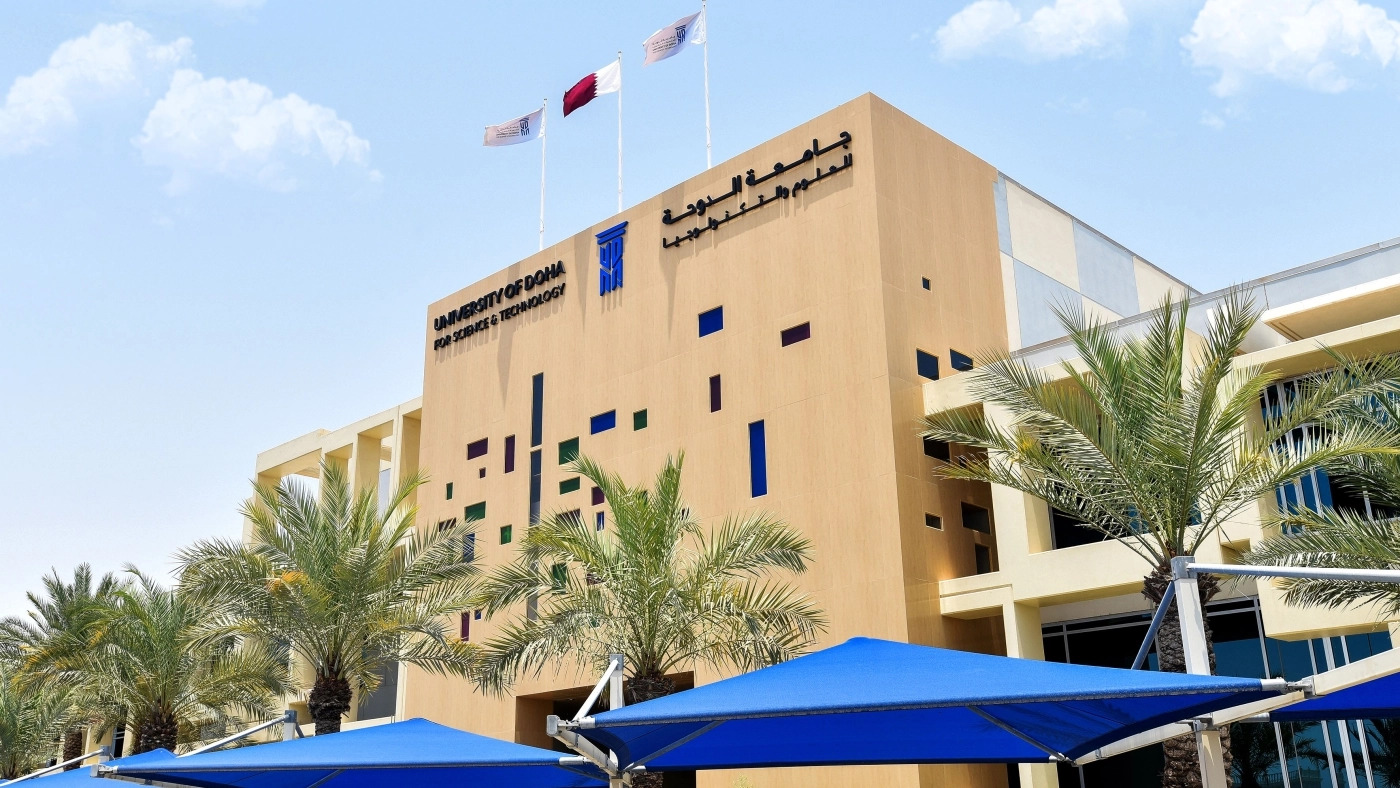
As global education systems increasingly pivot toward specialized, skills-based training, the University of Doha for Science and Technology (UDST) is expanding its academic portfolio to meet specific regional workforce demands. The university recently announced the launch of three new programs for the Fall 2026 semester: a Master of Science in Midwifery, an Executive Master of Health Administration (EMHA), and a Diploma in Animal Health and Veterinary Science.
The expansion brings UDST’s total offerings to nearly 80 programs across its five colleges, signaling a strategic effort to align higher education with the Qatar National Vision 2030.
Strengthening Healthcare Leadership and Clinical Practice
The new graduate offerings at UDST are designed to bridge the gap between clinical expertise and administrative oversight. The Executive Master of Health Administration, housed within the College of Business, targets mid-career professionals. The curriculum focuses on digital transformation, financial optimization, and operational excellence—skills that are becoming increasingly vital as healthcare systems worldwide grapple with rising costs and technological integration.
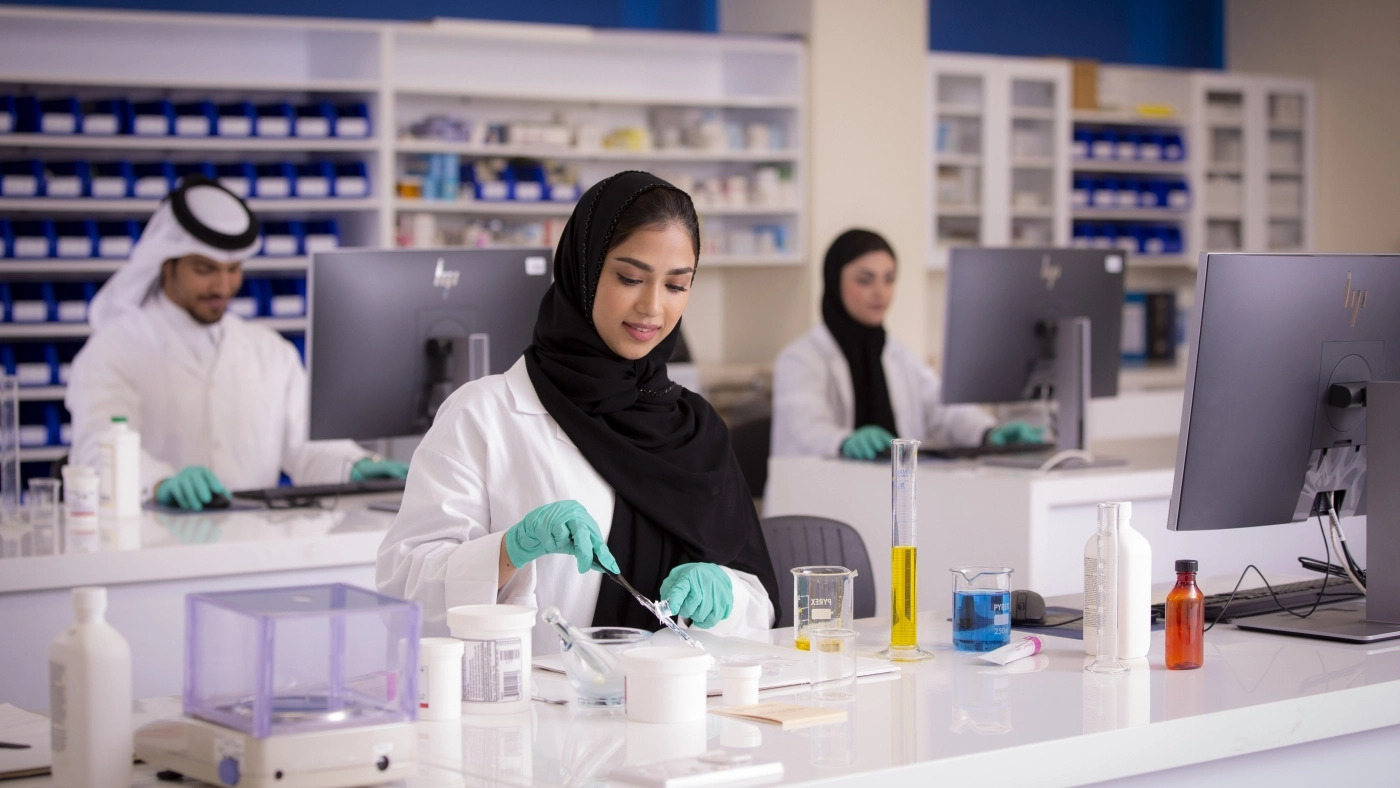
Within the College of Health Sciences, the Master of Science in Midwifery marks a significant milestone as the first graduate-level program of its kind in Qatar. The competency-based track allows registered nurses to transition into specialized midwifery, utilizing high-fidelity simulation and clinical training to focus on maternal and neonatal care.
“Expanding our academic portfolio with these programs reflects UDST’s role in anticipating future skills needs and translating national priorities into high-impact educational pathways,” said Dr. Salem Al-Naemi, President of UDST.
Addressing Animal Health and Public Safety
Beyond human healthcare, UDST is also addressing the veterinary sector. Developed in coordination with the Ministry of Municipality, the new two-year Diploma in Animal Health and Veterinary Science aims to bolster the nation’s “One-Health” agenda—a framework that recognizes the interconnection between people, animals, and their shared environment.
Graduates of the diploma program will be trained in disease prevention, diagnostics, and husbandry, providing a technical workforce to support public health protection and veterinary services.
Admissions and Strategic Outlook
The introduction of these programs follows a broader trend in international education where applied universities collaborate directly with government and industry partners to ensure curriculum relevancy. By focusing on “applied research” and “hands-on learning,” UDST aims to produce graduates who meet global standards while remaining tailored to the local economic landscape.
Admissions for the new programs are scheduled to open in January 2026 for the 2026–2027 academic year. Interested applicants and international observers can find detailed enrollment requirements and program syllabi on the university’s official portal at udst.edu.qa.