Switzerland is basically a winter sports campus: trains drop you near resorts, winter trails start right outside many towns, and even a quick half-day session can feel like a proper trip. The catch is that cold, wind, altitude, and fast-changing conditions punish “winging it.”
The safest student approach isn’t being fearless—it’s being systematic: check conditions, carry the basics, stay inside your ability band, and know what to do when something goes wrong. Below is a simple, Switzerland-specific safety playbook you can reuse for skiing, snowboarding, and winter hikes.
Useful Safety Tips That Work For Skiing, Snowboarding, And Winter Hikes
Before you clip in or set off, these three basics—joint prep, smart planning, and a clear emergency plan—cover most of the avoidable risks students run into on Swiss snow days.
1) Protect The Joints You Actually Use
Warm up for five minutes—seriously. Ankles, knees, hips, wrists, shoulders. The easiest “hack” is doing a few squats, lunges, ankle circles, and gentle hops before you clip in or set off.
And if you’re returning after a break, nursing a minor strain, or you simply want more stability, safe knee braces can be a practical add-on for certain people—especially supportive, sport-designed braces that aim to limit awkward twisting and add confidence on variable snow.
Think of the kind of sturdy hinged brace you’d see marketed for snow sports (a common example is a “sturdy knee brace” product sold for athletic use), used as a support tool rather than a substitute for skill, pacing, and good technique. (Mentioned here only, as requested.)
2) Plan Like It’s A Short Project (Because It Is)
Before you leave your room, make three quick calls: weather, terrain, timing. For weather warnings and forecasts in Switzerland, the official MeteoSwiss app can push natural hazard warnings to your phone, which is ideal for students who decide late.
If you’ll be anywhere near ungroomed areas, avalanche information matters even if you think you’re “just doing something chill.” The avalanche bulletin from WSL Institute for Snow and Avalanche Research SLF is published one to two times a day in winter and covers the avalanche danger forecast for the Swiss Alps (and also Liechtenstein) and the Jura when there’s enough snow
3) Have An Emergency Plan You Can Execute Under Stress
Save key numbers in your phone before you go. In Switzerland, 112 is the general emergency number; ambulance is 144; and mountain/air rescue via Swiss Air-Rescue Rega is 1414.
Also: when calling emergency services, knowing your location is everything. Many Swiss trails and ski areas have signposts; if you’re hiking, note the last marker you passed and your approximate altitude.
Skiing
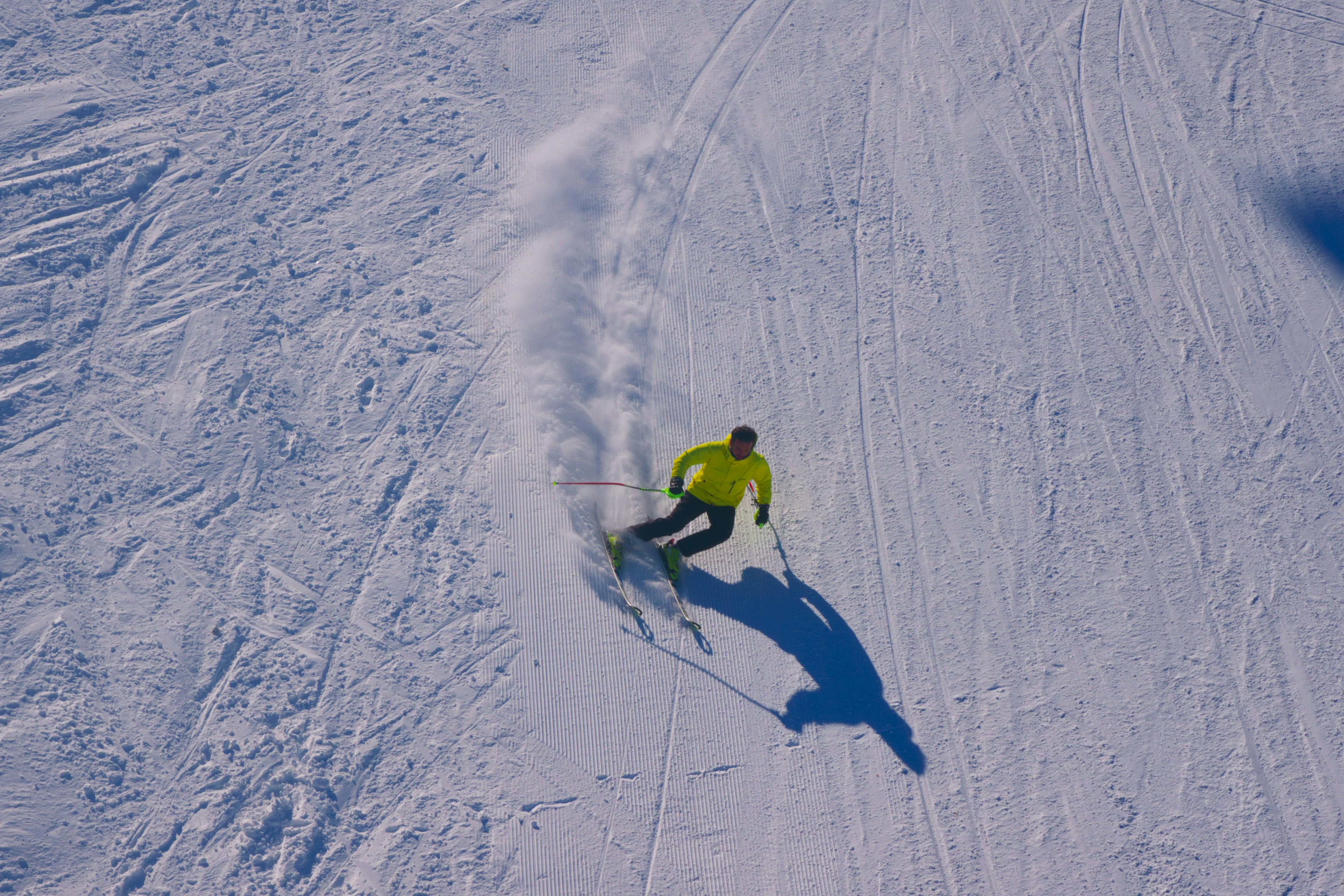
Start with the technique that prevents the most common falls. A lot of beginner and intermediate ski falls come from the same pattern: leaning back, stiff legs, and panicking at speed. Your safety focus should be:
- Stay centered over your feet (not sitting back).
- Turn to control speed, not braking late.
- Choose runs that match your ability, especially when visibility is flat or snow is icy.
- Treat the piste like a road
Even if you’re confident, the piste is a shared space. The FIS code emphasizes control of speed and behavior, route choice, and safe stopping—especially avoiding stopping in narrow places or low-visibility zones.
Practical student habit: if you stop, stop at the side, where you’re visible from above.
The Weather In The Mountains Is Not The Weather In Town
A blue app icon in the valley can still mean wind, fog, or rapid cooling up high. Use forecasts and hazard warnings before you buy your lift pass; push notifications matter because they catch last-minute changes.
If You’re Tempted To “Just Duck Under The Rope.”
Don’t. Ski areas mark closures for a reason: hazards, thin cover, avalanche risk, or rescue access issues. If you want ungroomed riding, learn it properly (course, partner skills, appropriate equipment) and use the avalanche bulletin every time.
Snow Boarding
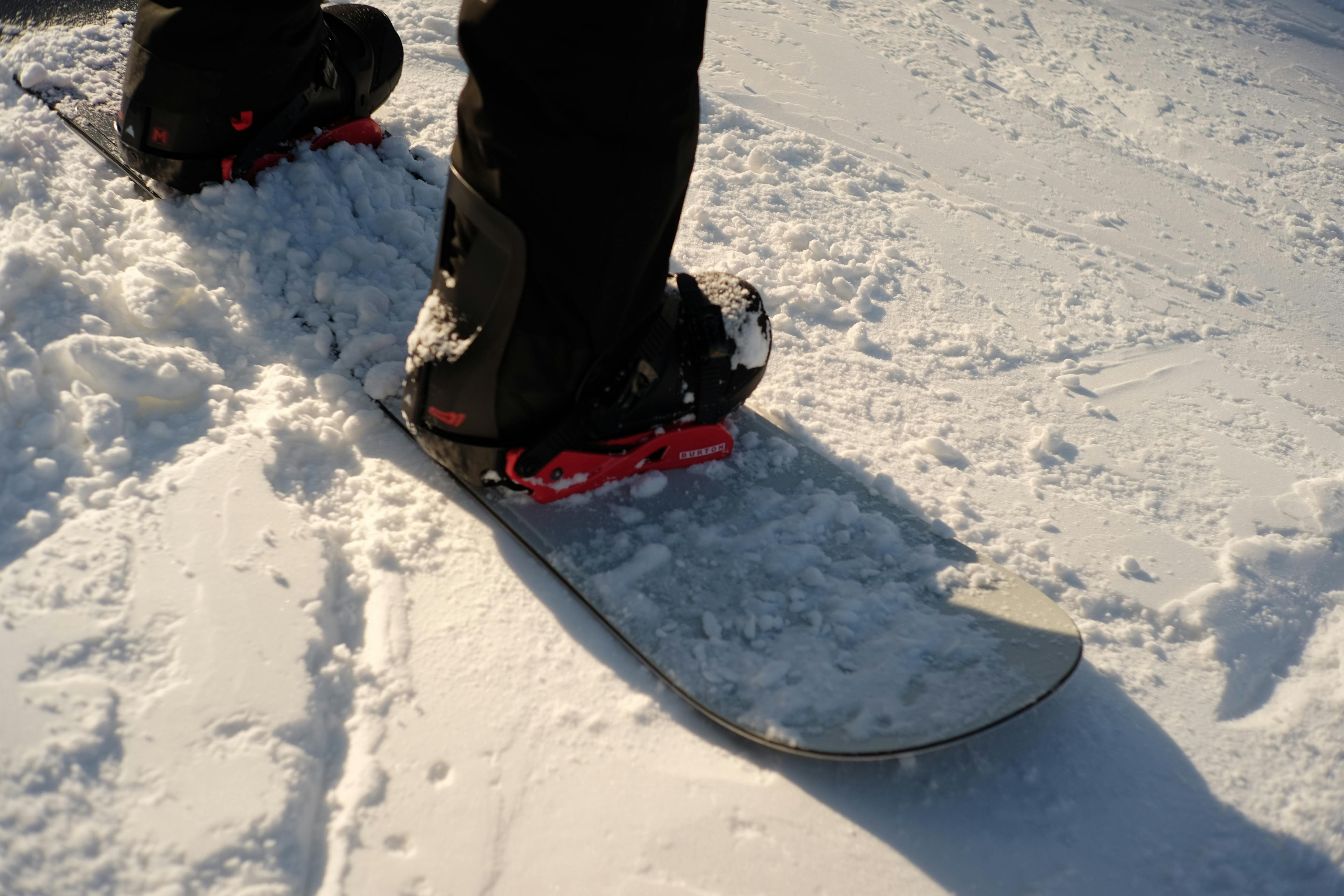
Protect wrists and shoulders with smart habits. Snowboarders often fall forward or backward in ways that load wrists and shoulders. Two student-proof tactics:
- Learn to fall: avoid catching yourself with a locked arm; aim to absorb with forearms and body, not a straight wrist.
- Keep speed appropriate: many injuries happen when fatigue hits late in the day and technique falls apart.
Stay Predictable Around Other Riders
The same on-piste conduct rules apply to skiers and snowboarders: ride in control, choose a line that respects traffic, and don’t stop where you can’t be seen.
Snowboard-specific reality: because you often ride with one side “blind,” build a habit of checking uphill carefully before traversing.
Edges + Visibility = Risk Management
“Caught edge” falls are common when snow changes texture—hardpack to soft, or tracked powder to icy patches. In poor visibility, lower your speed and choose wider, simpler runs. If you can’t clearly read the slope, you don’t have the information to ride it fast.
If You’re Exploring Beyond The Resort
Keep the boundary crisp: open piste is one thing; ungroomed terrain is another. Swiss guidance stresses route selection and avoiding steep slopes indicated as dangerous in avalanche bulletins, and recommends that inexperienced people stick to open ski runs and trails.
Winter Hikes
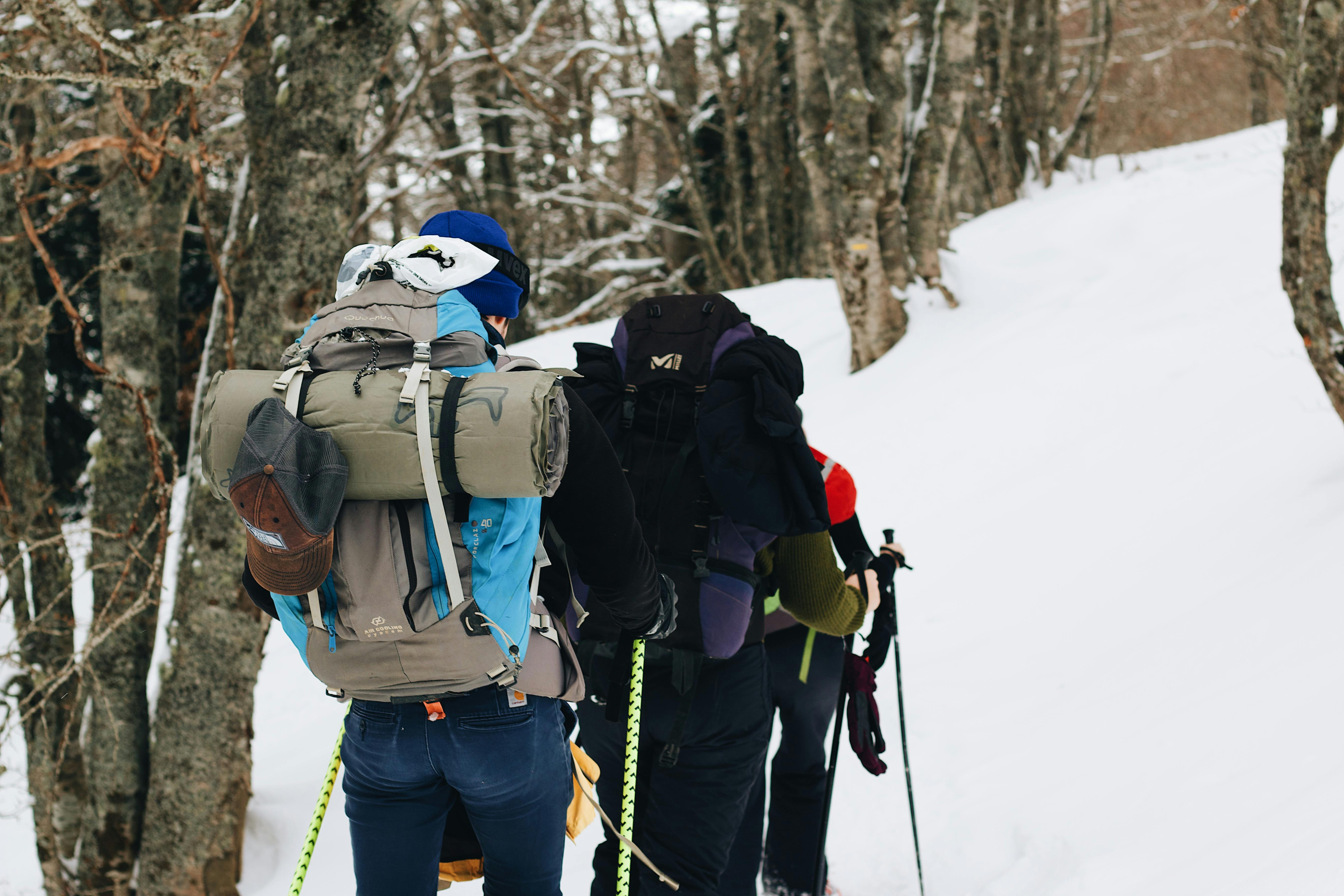
Use established guidance, not vibes. For hiking safety, the Swiss Alpine Club SAC publishes straightforward tips that transfer perfectly to winter: careful planning, proper equipment, suitable footwear, staying on marked paths, taking breaks, and not underestimating steep snowfields.
In winter, “shortcuts” can be where people slip on hard snow or end up on terrain that’s harder to reverse.
Footwear And Traction Are Your “Winter Hike Lift Pass.”
If there’s packed snow or ice, traction devices can turn a risky walk into a normal one. The moment you’re sliding even a little, stop and fix it—don’t “try to be careful” for the next hour.
Timing Matters More Than You Think
Darkness arrives early in winter, temperatures drop fast, and a minor delay becomes a cold problem. Leave earlier than you feel you need to, and build a turnaround time you’ll actually obey.
Avalanche Awareness Isn’t Only For Skiers
If you snowshoe or hike in snowy terrain near steeper slopes, avalanche risk can still apply. The Swiss Alpine Club’s snowshoeing safety guidance explicitly highlights checking the avalanche report: danger level (1–5), the type of danger, exposure and altitude, and which dangerous sections you’ll face.
If that sounds too technical, the simplest safe student rule is: stick to marked winter trails and avoid steep, open slopes unless you know what you’re doing and have checked conditions.
Wrapping Up
Switzerland’s winter scene rewards students who plan, pace, and respect conditions. Check MeteoSwiss and the SLF bulletin, carry layers and basics, and keep emergency numbers saved. On pistes, ride predictably; on hikes, stick to marked routes and traction. Safer days mean more fun, fewer costs, even during busy exam weeks.